
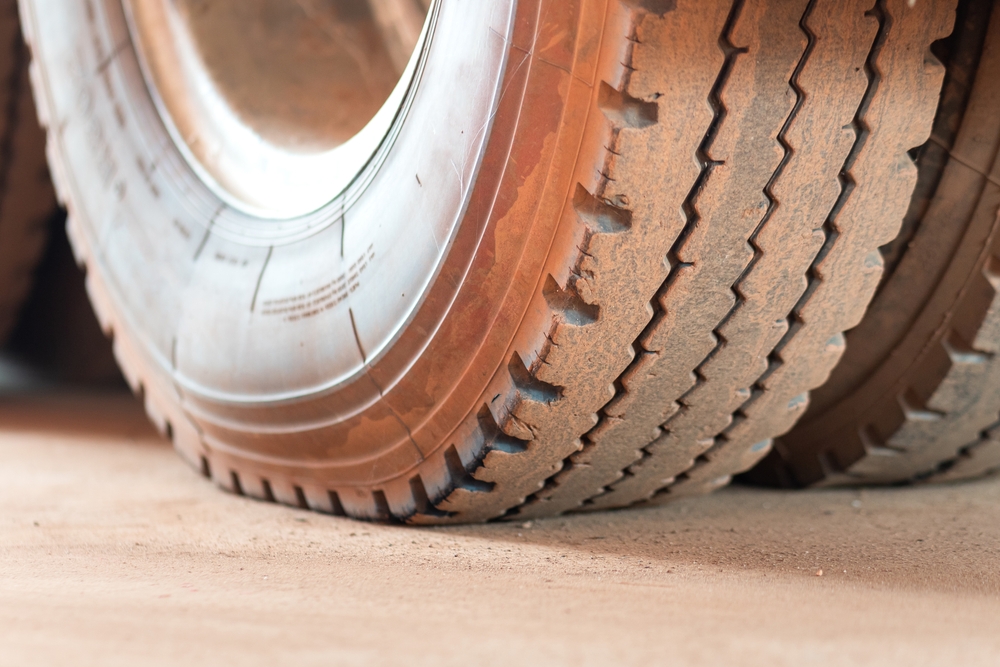
In this post we’ll explore how to design an effective tyre tread depth best practice policy for your fleet. We’ll also look at some recent calls to increase the legal minimum tyre tread depth in the UK.
As a fleet operator, you have a legal obligation to ensure that all vehicles in your fleet are safe for use on public roads. Our commercial motoring experts can help you understand your responsibilities. For more information, contact us on 020 8290 9099 or email us at commercial.motor@anthonyjones.com.
What is the Minimum Tyre Tread Depth?
The legal minimum tyre tread depth in the UK is 1.6 mm. Any less than this and a vehicle’s tyres will not provide sufficient grip. Poor tyre grip can increase your stopping distance on wet or slippery road surfaces, which could make serious accidents a lot more likely.
A Call To Raise The Legal Minimum Tyre Tread Depth
In late 2025, the National Tyre Distributors Association (NTDA) released their 2025 Tyre Check Report.
Their research found that 40% of vehicles on UK roads are driving on tyres that are either below, or “dangerously close” to the legal 1.6 mm limit. They also found that 32% of vehicles are driving on “barely legal” tyres. This means that while they may be technically compliant, they will still offer significantly less grip, particularly on wet or icy roads.
The NTDA described this as “a wake-up call for every motorist in the UK.” They urged the government to raise the legal minimum tread depth from 1.6mm to 2.0 mm. They also suggested that the government offers some financial support to any motorists that are struggling to afford replacement tyres.
Tyre Tread Depth Best Practice Policy For Fleets
Daily checks and ongoing servicing and maintenance will help you ensure that all of the vehicles in your fleet stay compliant with all relevant road safety regulations, including those relating to tyre tread depth. Proper wheel alignment, for example, can help reduce premature or uneven wear and tear of your tyre treads.
Your fleet management software can also make a difference here. Over time, you might spot certain patterns in your data. When and where do your vehicles commonly experience tyre failures? Are tyre issues more common on particular routes, or at particular collection or delivery points? And how many miles does a vehicle typically drive before tyre replacements are necessary?
Insights like these could help shape your tyre tread depth best practice policy. They may help you anticipate potential problems far in advance, meaning you can intervene before it’s too late.
When Should You Replace Tyres In Your Fleet?
At the moment, it’s likely that you’ll arrange for replacements once any vehicle’s tyre tread comes close to the 1.6 mm legal limit.
However, in their recent report, the NTDA pointed out that a vehicle’s stopping distance can double in wet conditions on tyres worn below 2 mm. This is what they mean when they talk about “barely legal” tyres: Just because a tyre’s compliant, it doesn’t mean it will provide all the grip you need.
“Regardless of the current regulations, it’s a good idea to treat the minimum tyre tread depth as 2 mm for all vehicles in your fleet. This may mean that you have to replace tyres more frequently. But through making accidents less likely, this policy could help you make huge savings in the long-term. The cost of repairs and potential compensation payments will be much higher than the cost of replacing a tyre, “ says Steve Blackmore, Senior Manager Commercial Motor and Fleet Risks at Anthony Jones.
How Good Risk Management Can Lead To Insurance Savings
Steve Blackmore added, “Plus, if you can evidence your tyre tread depth policy to your insurers, you may make a saving on the price of cover. Insurers value the importance of effective risk management, so if you take steps to mitigate the risks in your fleet, they may reward you with lower premiums.”
For more information about how we can help you and your fleet, contact us on 020 8290 9099 or email us at commercial.motor@anthonyjones.com.