
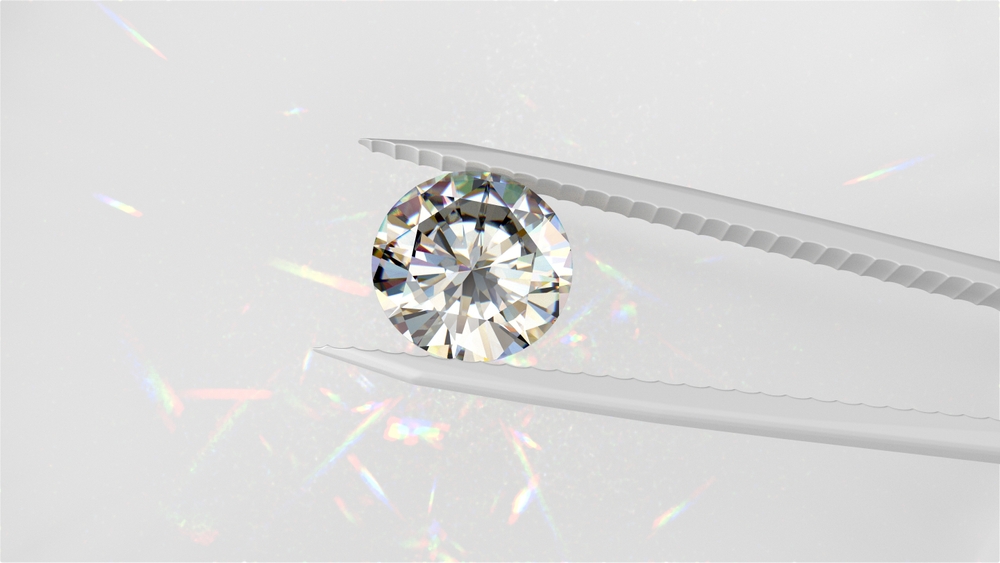
Lab-grown diamonds have become increasingly popular in recent years. They’re an affordable alternative to natural diamonds. But how are they as a long-term investment?
In this post we’ll assess whether lab-grown diamonds hold their value, while exploring some of the factors that can affect a diamond’s price. We’ll also discuss some steps you can take to protect your diamond investment.
Please note that this post is supposed to offer general guidance, and should not be treated as investment advice.
At Anthony Jones, we specialise in helping people protect the items which are valuable to them through specialist high net worth insurance policies. For more information, call us on 0208 290 9086, or email personal@anthonyjones.com.
Key Differences Between Lab-Grown Diamonds and Natural Diamonds
Natural diamonds form over the course of billions of years, as carbon atoms crystalise under extreme heat and pressure in the Earth’s mantle.
As the name suggests, lab-grown diamonds are grown by scientists in laboratories. While it can take many millions of years for natural diamonds to form, it takes just a few weeks to make lab-grown diamonds. But like natural diamonds, the process involves applying heat and pressure to carbon.
Beyond this, there is very little difference between natural and lab-grown diamonds. Both are cut to form the desired shape and carat weight. And they look nearly identical. At a glance, you’d probably struggle to tell whether a diamond was natural or grown in a lab. It would take the trained eye of a specialist to truly tell them apart.
Do Lab-Grown Diamonds Hold Their Value?
One key difference between lab-grown diamonds and natural diamonds is that a lab-grown diamond will lose almost all of its value immediately following purchase. You won’t be able to sell them to jewellers or collectors, and you probably wouldn’t even get much money in an eBay auction.
So while lab-grown diamonds can be every bit as beautiful as natural diamonds, they are not a good investment. But that said, natural diamonds aren’t really a good investment either. Even a natural diamond will lose between 40% and 60% of its value the second you pay for them. Only the rarest of diamonds will retain their value.
Most experts seem to agree that, when buying a diamond, you should never think about the resale value at all. Instead, you should focus on its inherent beauty, and on its sentimental value. If you want to collect jewellery that could bring a good return, Rolex watches could be a much safer investment.
What Factors Affect Diamond Value?
So, natural diamonds retain their value more than lab-grown diamonds. But what exactly determines the value of a diamond?
- Shape – Round diamonds tend to be the most valuable, as they tend to offer the most brilliance and sparkle.
- Cut – There’s a direct link between a diamond’s cut and a diamond’s beauty. So, the more precise the cut, the more valuable the diamond.
- Weight – Measured in carats. Heavier diamonds tend to cost more, and thus may retain more value after purchase.
- Clarity – The most valuable diamonds will be free from blemishes, inclusions, and other imperfections.
- Certification – This is basically confirmation of the diamond’s origins, with details of the assessments that have determined its weight, clarity, and other factors. The certification itself will not affect the value of a diamond, but it can play a huge role in any subsequent valuations.
Getting The Right Cover For Your Diamonds
As we have seen, even natural diamonds tend to lose a lot of their value after purchase. But diamonds and other items of jewellery can have tremendous sentimental value. They can also be prime targets for thieves. As such, no matter what happens to a diamond’s value in the long-term, you’ll still want to take steps to keep them as safe as possible.
As part of this, it’s essential to get the right cover. Your standard home insurance is unlikely to cover any valuables in your house. But a dedicated high net worth insurance policy will give you all the cover you need.
The Right Insurance Starts With a Valuation
To ensure you have the cover you need, you should:
- Itemise every high value item in your house. You will need a qualified appraiser to help you get an accurate appraisal for any diamonds in your home. And as the value of such items can fluctuate over time, it pays to get fresh valuations whenever you renew your policy.
- Work out the value of your high value items, including the combined value of your entire collection, along with the value of each individual piece. Our dedicated home contents calculatormay help here.
- Tell your insurer about your high value items, and how much they’re worth. They can then help you get the dedicated insurance you need to cover your diamonds, and other high value items.
We Can Help You Get The Cover You Need For Your Diamonds
Our High Net Worth insurance team is always on hand to discuss how you can best protect your most valuable possessions, including any diamonds in your collection. If you want to discuss your needs, get in touch on 0208 290 9086 or email us at personal@anthonyjones.com.