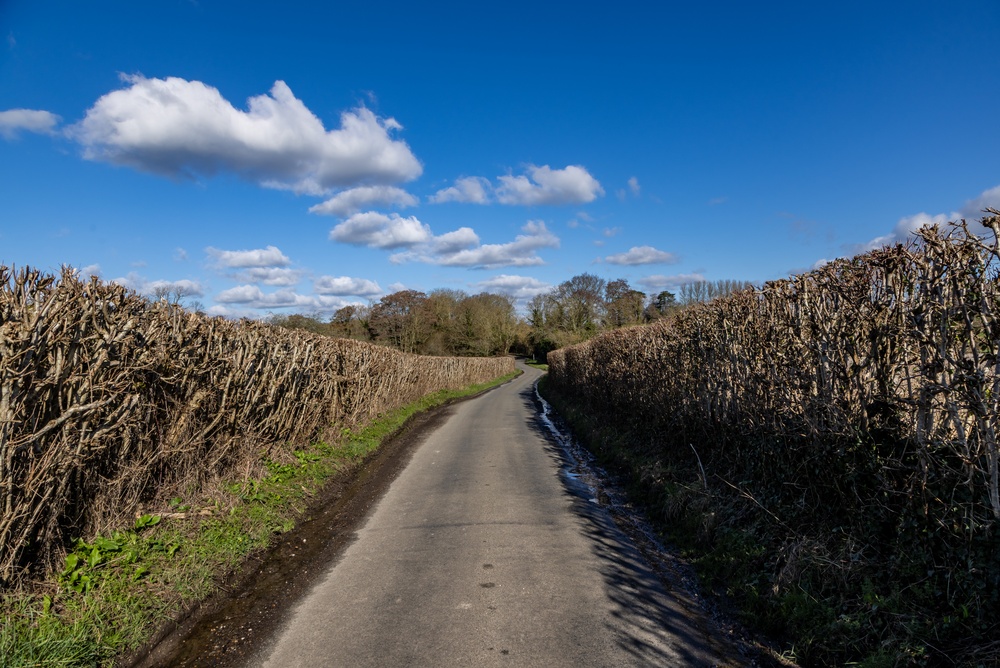
Are Rural Roads More Dangerous and How Should Fleets Respond?
Rural roads are significantly more dangerous than urban roads. In this post we’ll take a closer look at the risks of driving on rural roads, and discuss how you can manage these risks for your fleet.
For more information on how we can help you and your fleet, get in touch with us on 020 8290 9099 or email us at
commercial.motor@anthonyjones.com.
How Dangerous Are Rural Roads?
According to Brake,
over 50% of all fatal crashes in the UK occur on rural roads. This means that, per mile travelled, rural roads are the most dangerous roads for all users.
The
NFU Mutual Rural Road Safety Report revealed that, year on year, disproportionately more deaths occur on rural roads than urban roads. In some years, there are up to 70% more fatalities on rural roads.
The risk is greatest for vulnerable road users such as pedestrians and cyclists, yet there is still a significant risk for car and van drivers. In one recent year, 559 car and van drivers lost their lives on rural roads, compared to 147 on urban roads.
Why Are Rural Roads So Hazardous?
Rural roads can:
- Be narrow, meaning there is limited safe space for passing and overtaking.
- Commonly feature blind bends and brows.
- Often have no lighting, making them particularly hazardous at night.
- Have poor road surfaces, which could lead to increased stopping distances, sudden tyre blowouts, and increased risk of skidding in wet or icy conditions.
- Have limited or no barriers or crash protection. Instead, many are lined with trees, which would cause significant damage in the event of an incident.
- Have additional hazards that are more common on rural roads. Traffic can move at a variety of speeds, so road users may have to repeatedly adjust for slow moving farm vehicles and high speed motorbikes.
- Unexpected spillages, debris, or even animals in the road.
Managing The Risks of Rural Roads For Your Fleet
There are a number of actions fleets can take to help manage the risk of rural rules, including:
- Make sure all of your drivers understand the increased risks of driving on rural roads, particularly at night.
- Try to avoid travelling on rural roads as much as possible. Plot your routes carefully so as to stick to wide, well-lit, and well-maintained main roads.
- If you have HGVs in your fleet, make sure your drivers use dedicated HGV sat-nav systems. These should automatically avoid any roads that are unsuitable for larger vehicles, such as certain rural roads.
- Invest in additional driver training, so that your drivers will be better equipped to respond to the additional hazards associated with rural roads.
- Stay on top of vehicle servicing and maintenance, and address any issues with any vehicle as soon as they emerge. This way, you can ensure that every vehicle’s safety features will work like they should in the event of an accident.
Read our full guide to
fleet risk planning and assessments.
Fleet Insurance is an Essential Part of Fleet Risk Management
Steve Blackmore, Anthony Jones Director says:
“Yes, rural roads are more dangerous than urban roads. Your fleet drivers should avoid them as much as possible. But sometimes rural roads are unavoidable, which is why it’s important to understand and mitigate the risks.
“At Anthony Jones, we can help you understand the risks your fleet is facing, and we can also help you find the flexible and comprehensive fleet insurance cover you need at the best possible price.”
For more information on how we can help you and your fleet, get in touch with us on 020 8290 9099 or email us at
commercial.motor@anthonyjones.com.
Find out more about our
commercial motor insurance for fleets and commercial vehicles. Or see if you can save on your insurance costs by getting a
quote for a commercial vehicle or a
quote for a commercial fleet today.