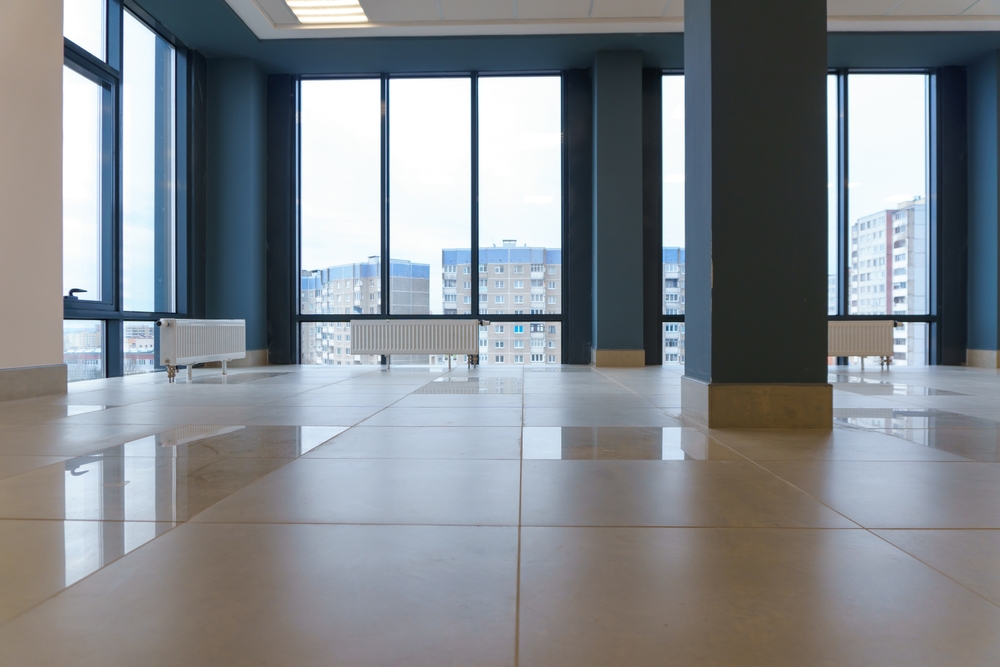
What To Do With an Empty Commercial Building
So you’ve suddenly found yourself with an empty commercial building. What now?
In this post, we’ll explore the key risks for empty commercial properties, and how you can prevent them. We’ll then give you some ideas for what you can do with your commercial property in the long-term.
If you’ve any questions or concerns about your commercial insurance needs, we have a team of experts on hand to assist. Contact us on 020 8290 9080 or email
business@anthonyjones.com.
Key Risks For Empty Commercial Buildings
Empty commercial buildings face increased risks compared with those being used, these include:
- Fires and floods. These are a particular risk for any unoccupied property, as if a fire or flood breaks out when nobody’s around, then a small incident could quickly grow into something much more serious.
- Thieves and vandals. Thieves will actively target empty properties because they think there’ll be nobody around to catch them. And if they don’t find anything to steal, they may just choose to vandalise the place instead. Either way, you’ll have to deal with some major property damage.
- Squatters. People might move into your empty property and refuse to leave. This is illegal behaviour, but it would still be a major headache.
How To Keep Your Empty Commercial Property Safe
First,
write a risk assessment for your unoccupied commercial property. Once you understand exactly what risks you’re facing, you’ll know what actions to take to manage these risks. Read our guide to
writing an unoccupied building risk assessment.
Next,
take steps to secure your empty property. This might involve installing new fire safety and security systems, or perhaps hiring onsite security staff. Read our full guide to
secure empty and unoccupied commercial properties.
Finally,
you’ll have to consider the risk of squatters. Hopefully you won’t have to deal with this. But if you do, it’s important to know what to do, and what
not to do. The good news is that the law is on your side, and there’s a clear course of action to take. Read our full guide to
avoiding and removing squatters.
What To Do With An Empty Commercial Property
Once you’ve taken steps to secure your empty property, it’s time to decide what to do with the building. In short, you have three options here:
- Convert the building for your own use
- Lease it to another business
- Sell it to another business, or a property developer
In any case, you will have to pay business rates on your commercial property for as long as it’s empty – though it’s possible to get some temporary relief here. Read our full guide to
business rates and empty commercial properties.
Short Term Ideas For What to Do With an Empty Commercial Property
If you don’t intend to convert, lease, or sell your commercial property just yet, or if you know that it will take you a while to find a permanent solution, then there are some things you can do with your commercial property in the short term. These measures can help to keep it secure, while also helping you to make a saving on business rates.
- You can appoint a property guardian. This means that someone will temporarily live in the building until you find a long-term tenant, or agree a sale. You won’t have to pay any business rates, but you will have to pay council tax. Council tax payments, though, tend to be cheaper than business rate payments.
- You can let a charity or a religious organisation use your premises. Depending on your location, charities can save up to 100% on business rates, while religious organisations are always exempt from these payments.
Get Dedicated Business Insurance For Your Commercial Property
One final important thing to consider: If your commercial property is currently unoccupied,
a standard commercial property insurance policy may not cover you.
At Anthony Jones, we can help you get comprehensive
unoccupied commercial property insurance at a competitive price. For more information, and a free quote, call us on 020 8290 9082, or email
business@anthonyjones.com.