What is a Fuel Card and How Does a Company Fuel Card Work?
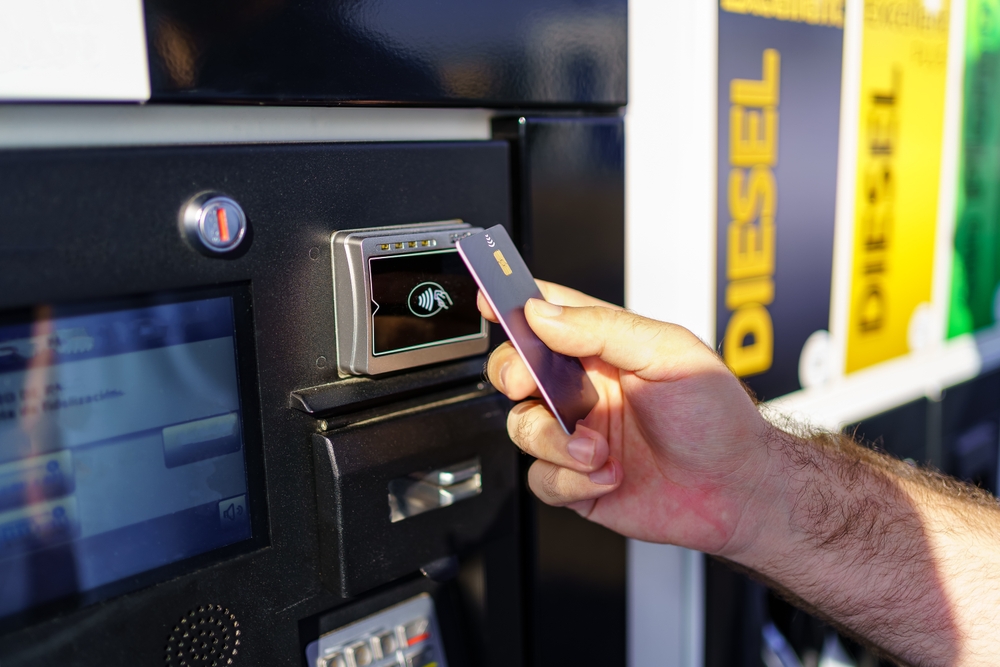
A company fuel card allows a driver in your fleet to pay for their fuel without using cash, a credit card, or a debit card.
In this post we’ll outline how fuel cards work, and how companies can use them to save money on fuel costs while streamlining certain admin roles. We’ll also look at some best practice techniques to help you make the most of the fuel card system, while avoiding certain pitfalls.
For more information on how we can help you and your fleet, get in touch with us on 020 8290 9099 or email us at
commercial.motor@anthonyjones.com.
What is a Fuel Card?
A company fuel card is a dedicated card that drivers in your fleet can use to pay for fuel. The card allows them to pay for fuel at approved forecourts. Your company will then get billed directly for this fuel, with no need for the employee to submit any expenses at a later date.
How Does a Company Fuel Card Work?
Many companies specialise in fuel cards, and their cards are accepted at select forecourts across the country. Some petrol stations will only accept certain fuel cards, and some fuel cards providers offer loyalty points and other additional benefits. So to begin with, you need to pick a fuel card provider that meets your practical needs.
Fuel Card Providers
Popular fuel card providers include:
- AllStar
- KeyFuels
- FuelGenie
- FleetOne
- FuelPlus
- Some petrol stations also offer their own fuel cards, including Esso, Shell and Texaco
Once you’ve chosen your provider, you can get a fuel card for every driver or vehicle in your fleet. Each fuel card will have a unique pin, which the driver will use to pay for their fuel. They’ll then get a receipt, but the bill will go directly to your company. There’s no need for them to submit this receipt to get reimbursed for their expenses.
The Benefits of Company Fuel Cards
For employees:
- Fuel cards provide a straightforward way to pay for fuel.
- They’ll never be out of pocket having paid for fuel using their own cash or credit cards.
- They’ll never have to worry about submitting expenses, and waiting for them to get approved.
The immediate benefit for employers is that:
- There’s one less admin task to take care of, as they’ll always get billed directly for any fuel purchases. You’ll get clear invoices that you can then submit to HMRC.
- You can limit your employees to using only the cheapest petrol stations, such as those found at supermarkets.
- You can set a fixed weekly price for your fuel card. This will then be the amount you pay for each litre of petrol or diesel, which is a good way of avoiding fluctuating fuel prices. If your employees regularly fill up at motorway service stations, for example, setting a fixed weekly price could help you make significant savings.
- Fuel cards will give you a number of insights into your drivers’ behaviour, and their refuelling habits. You can see where they top up, how much fuel they get each time, the average time or mileage between refuels, and more. All of these insights could ultimately help you devise a fuel management strategy, which could lead to even further savings on the cost of fuel.
Risks Associated With Fuel Cards?
It’s possible for employees to abuse the fuel card system. They could let friends or family members top up their cars using their fuel card. Your company would then get billed for someone else’s fuel, while the employee might pocket the cash themselves.
Many fuel card providers will provide systems to help you prevent such abuse. For example, some will require your employees to specify their vehicle registration number, along with their pin, when paying for fuel.
This is why it’s best practice to assign fuel cards to specific employees or vehicles. And even though fuel cards could save you hours of admin time, you should still pay attention to your invoices. If you notice any unusual behaviour, such as discrepancies in the time between an employee’s refuelling, then you can investigate further.
If employees know that you’ll keep tabs on their refuelling, and that you’ll notice any suspicious behaviour, then they’ll be less likely to abuse the system.
At Anthony Jones, We Can Help You Make Savings Beyond Your Fuel Costs
Steve Blackmore, Anthony Jones Director says: “Along with servicing, maintenance, and fuel, another essential ongoing running costs for fleet managers is commercial motor insurance.
“We can help you ensure you’re getting the best deal for your cover. We can show you how evidencing your risk management can lead to lower premiums, and we can help you access the tailored cover you need at a competitive price.”
For more information on how we can help you and your fleet, get in touch with us on 020 8290 9099 or email us at
commercial.motor@anthonyjones.com.