
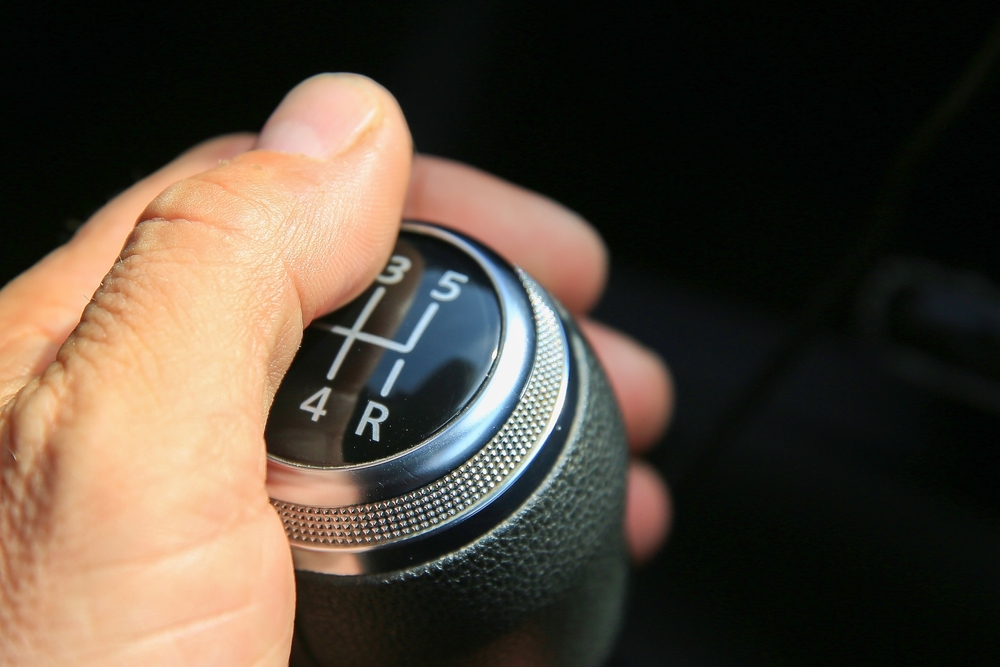
The majority of the next generation of drivers might only be qualified to drive automatic vehicles. This raises some interesting questions for fleet drivers.
Should you future proof your fleet through switching all of your vehicles to automatic? Or will it always be best practice to have a certain proportion of manual licence drivers to hand, just in case?
And if so, what percentage of your fleet drivers should have a manual licence?
In this post we’ll explore why automatic is becoming the default for younger drivers, and discuss how this might affect your fleet. For more information on how we can help you and your fleet, get in touch with us on 020 8290 9099 or email us at commercial.motor@anthonyjones.com.
Can You Be An HGV Driver With An Automatic Licence?
Yes, but you will then only be able to drive HGVs and LGVs fitted with automatic gearboxes.
You will be able to drive both manual and automatic vehicles with a manual licence.
So as a fleet manager, if you exclusively use manual vehicles in your fleet – whether they’re cars, vans, LGVs, or HGVs – does this mean you’re excluding the next generation of drivers?
Why Younger Drivers Are Increasingly Automatic By Default
According to one recent study, around 26% of all UK driving tests are now taken in automatics. Sure, this means that the majority of new drivers are still learning to drive manual. But consider how, just 10 years ago, only 6% of tests were taken in automatics.
If automatic isn’t the default today, it might well be in the very near future.
Why Are New Drivers Learning in Automatic Cars?
There are three main reasons why many young drivers are choosing to learn to drive automatic:
- The rise of electric vehicles. All EVs are automatic. The UK’s ZEV mandate plans to outlaw the sale of new petrol and diesel cars by 2035. With this in mind, many young drivers are doubtlessly concluding that there’s simply no point to learn manual.
- Driving schools are electrifying. Driving instructors, too, are thinking to the future, and many now teach in Evs. Anyone who learns to drive in an EV will invariably take their test in an EV, meaning they’ll get an automatic licence.
- Automatic cars are just easier. If manual petrol and diesel cars will be phased out in the next decade or so, why go through the extra stress and hassle of learning how to change gears?
What Does Fewer Manual Licences Mean For Your Fleet?
Fewer and fewer employees will be legally qualified to drive manual vehicles. This will have a number of implications:
- Recruitment may get more challenging. When a candidate says they have a “full UK licence”, does this mean they’ll be able to drive the manual vehicles in your fleet? If the majority of your fleet is manual, then you may need to specify that you can only hire manual drivers.
- You may have a narrower pool of candidates. This could affect your scheduling and your coverage, and by extension your turnover.
- You may struggle to stay compliant. If you have a mixture of automatic and manual vehicles in your fleet – and a mixture of automatic and manual drivers – then you will need to establish a complex system of licence checks to stay compliant.
What Percentage of Fleet Drivers Should Have a Manual Licence?
The percentage of drivers with a manual licence should be in line with the percentage of manual vehicles in your fleet. So, if your fleet is entirely composed of manual vehicles, then 100% of your drivers should have a manual licence.
But as we outlined above, you may have to be more flexible in the coming years. You could consider switching to automatic vehicles whenever possible, though some specialist vehicles may always be manual, such as construction vehicles.
In the future, it may be necessary to retain some drivers with manual licences, as they may be the only ones qualified to drive older vehicles in your fleet, or specialist vehicles. The main thing is to ensure that you have all the drivers you need to keep your fleet operations running as efficiently as possible.
Is It Time To Start Futureproofing Your Fleet?
We recently published a guide to replacing and updating your fleet vehicles. This was largely a guide to when you should replace or upgrade your vehicles, in order to stay as safe and compliant as possible. But it’s also important to consider how you replace and update your vehicles.
If the majority of future drivers will have automatic licences, then it makes sense to prioritise automatic vehicles whenever it’s time to upgrade or replace vehicles in your fleet. These may cost more than manual vehicles, but it’s a price worth paying to avoid the potential operational issues we outlined above.
Should You Electrify Your Fleet?
There’s also the question of whether or not you should electrify your fleet. The Government has already rolled back the deadline of their ZEV mandate once, and while the figures suggest that sales of electric vehicles are growing, they’re not growing at a fast enough rate that would enable the UK to meet the ambitious ZEV mandate target.
This is not to say that you should disregard the ZEV mandate. It’s just to say that government policies have a habit of evolving over time. Yet regardless of government targets, the latest DVSA figures on automatic driving tests have highlighted a major benefit of electrifying your fleet: The next generation of drivers will certainly be qualified to drive EVs.
Read our full guide to electrifying your fleet.
We Can Help You Get The Best For Your Fleet
Steve Blackmore, Director at Anthony Jones says:
“As we’ve seen, changing attitudes to automatic and manual vehicles can raise some interesting challenges for your fleet.
“At Anthony Jones, our risk management experts can advise you on the steps you should take to stay safe and compliant with all applicable regulations. We can also show you how to evidence these measures to your insurer, which can help you make savings on the cost of cover.”
For more information on how we can help you and your fleet, get in touch with us on 020 8290 9099 or email us at commercial.motor@anthonyjones.com.