
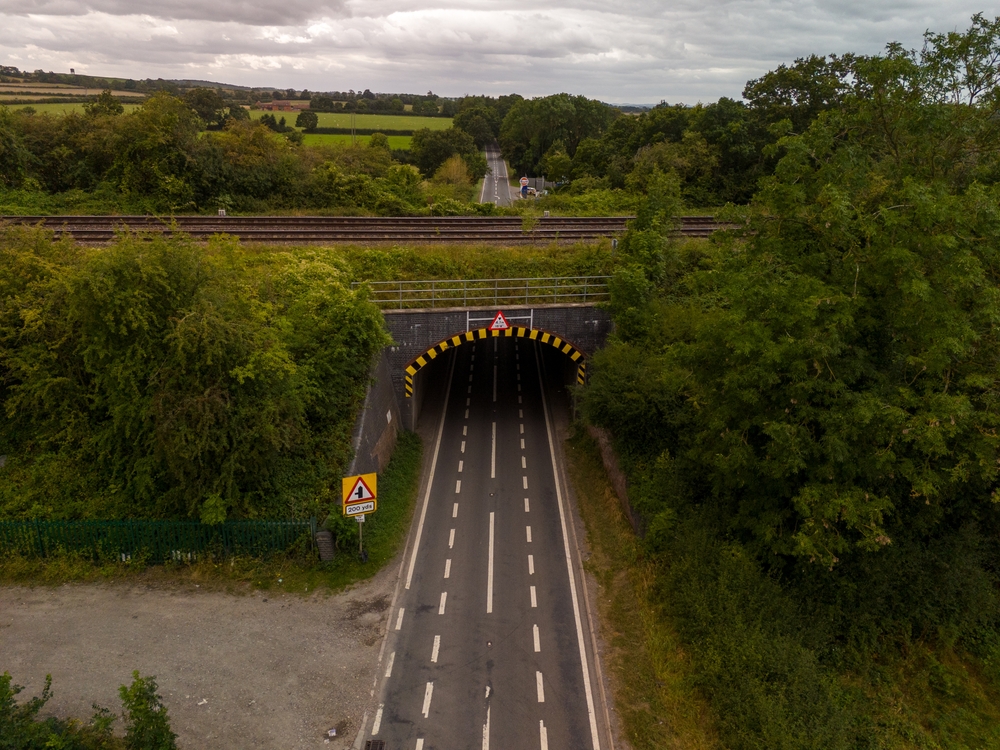
Bridge strikes are more common than you might think, with one study suggesting that a vehicle hits a bridge once every five hours.
In this post we’ll explain what a bridge strike is, and explore the potential costs of these incidents. We’ll also discuss some strategies that could help your fleet drivers avoid bridge strikes.
For more information on how we can help you and your fleet, get in touch with us on 020 8290 9099 or email us at commercial.motor@anthonyjones.com.
What is a Bridge Strike?
When a vehicle collides with a bridge, it’s known as a bridge strike. Usually, these incidents involve HGVs. If the vehicle is too tall to fit under the bridge, it’s going to result in significant damage to both the vehicle and the bridge.
How Much Do Bridge Strikes Cost?
If a vehicle in your fleet hits a bridge, then it’s going to result in considerable repair costs. But the ultimate cost of the claim could be much higher.
Often, bridge strikes involve rail bridges. If a vehicle strikes a rail bridge, it can lead to line closures, which can result in five-figure claims.
Network Rail is currently running a campaign about bridge strikes, called Wise Up Size Up. Their research reveals:
- There were 1,666 reported bridge strikes in one 12 month period between 2024 and 2025.
- The average cost of each bridge strike is £13,000, which costs the UK taxpayer around £23m a year.
- Each bridge strike delays trains by an average of two hours.
- Most strikes seem to occur in October, when incidents rise to almost 10 a day.
- Though most bridge strikes occur between 10.00 am and 11.00 am, the numbers remain high until 6.00 pm.
- Some bridges are struck more than others. One bridge in Hinckley got struck 22 times in 2024-2025. And two of the top 10 most struck bridges are in Grantham.
Why Do Bridge Strikes Happen?
It is likely that most bridge strikes happen for one of the following reasons:
- A driver is simply unaware of just how tall their vehicle is, or how low bridges are. According to Network Rail’s research, 43% of lorry drivers admit to not measuring their vehicles before heading out on the road, while 52% admit that they do not take low bridges into account.
- Agency drivers may be required to drive in areas they are unfamiliar with. They may not realise that a bridge is too low for their vehicle, until it’s too late.
- A driver’s sat-nav might direct them to drive under a bridge that’s too low for their vehicle if they’re not using a sat-nav specifically designed for truck drivers.
How To Prevent Bridge Strikes In Your Fleet
The Government has produced a number of guides to help different various different groups understand and prevent bridge strikes. These include operational staff, professional drivers, transport managers, highway managers, and more. You can access all of these guides.
Here are some things you could do as a fleet manager to help your drivers avoid bridge strikes:
- Policies and procedures. Make sure all drivers remind themselves of their vehicle’s height before they set out. List it as one of your essential daily checks, if need be. This will prevent your regular drivers from becoming complacent, and it will also help to avoid incidents with agency drivers, or with newer drivers who might not be familiar with your vehicles.
- Driver training. Ensure that all drivers understand the risks of bridge strikes, and the associated costs. Remind them to look out for road signs indicating a bridge’s height, and warning signs indicating that there’s a low bridge ahead. Make this training part of your induction for all drivers, including those who come from agencies, and arrange for annual refresher training too.
- Prepare your trucks. As we mentioned above, a sat-nav specifically designed for truck drivers should plot avoid low bridges and other routes that are unsuitable for HGVs. And while you’re kitting out your trucks, you could also get stickers for the truck interior, providing drivers with a quick reminder of their truck’s dimensions.
Get The Specialist Cover You Need For All Fleet Risks
Steve Blackmore, Director at Anthony Jones says:
“A claim from a bridge strike could amount to much more than a claim arising from other kinds of collisions.
“Our risk management experts can advise you on how you can best avoid bridge strikes for your fleet. We can also show you how to evidence your risk management measures to your insurers, which could help you save on the cost of cover.”
At Anthony Jones, we can help you ensure that your commercial fleet insurance covers you bridge strikes, along with other risks associated with driving commercial motors. For more information on how we can help you and your fleet, get in touch with us on 020 8290 9099 or email us at commercial.motor@anthonyjones.com.